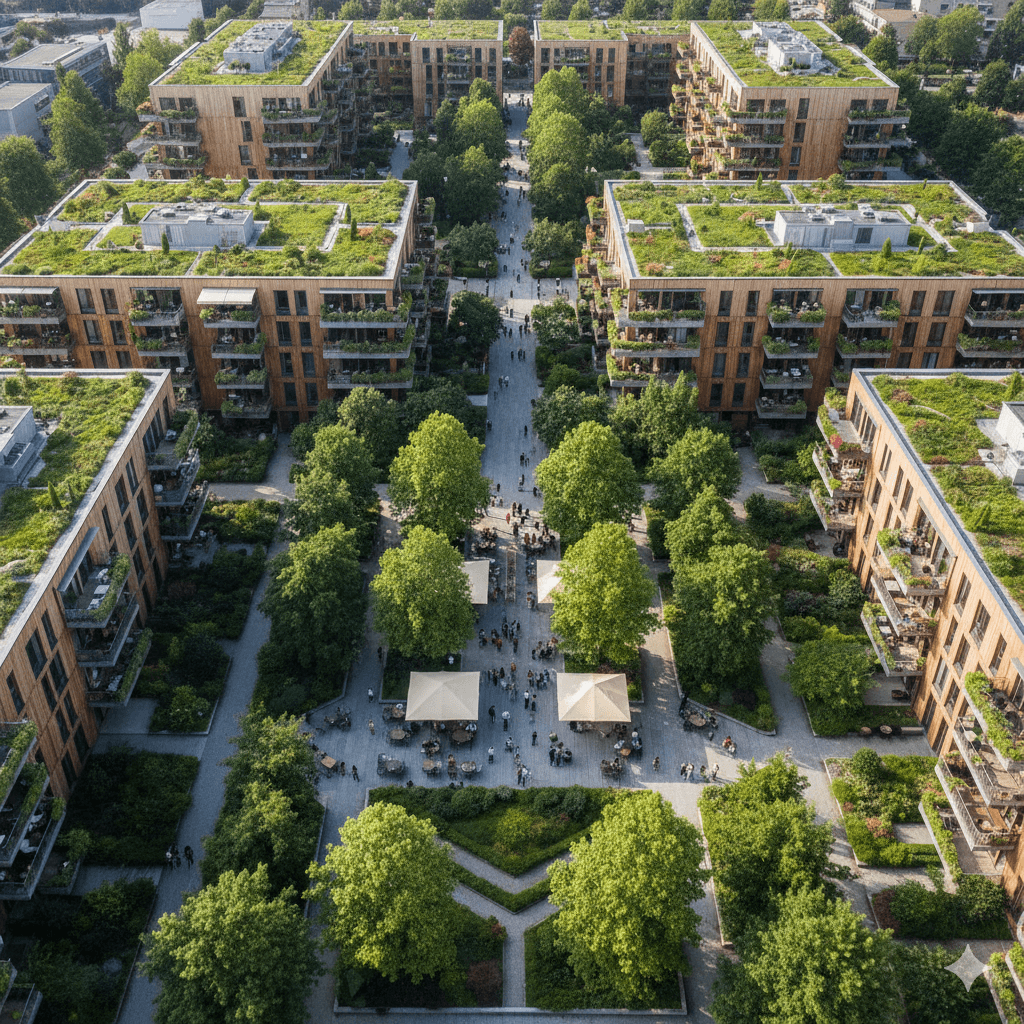
In land-constrained UK cities, smart design is key to getting the most value from every site. Developers can boost ROI by expanding vertically and by optimising interior layouts. For example, stacking multiple uses in one building – shops at street level, offices above and apartments or a hotel on top – is common in city centres. This "vertical mixed-use" approach captures more floor area from a single plot. Adding mezzanine floors and extending upwards (where planning allows) can significantly increase leasable space without the cost of new land. Good architects will spot such opportunities: for instance, designing a roof extension with communal terraces or converting high ceilings into split levels.
Early collaboration with architects ensures efficient, adaptable layouts. Spaces that morph with needs can serve double-duty: a conference room by day may convert to an events hall by night, or a warehouse can be zoned for both storage and work. Flexible, multi-functional plans avoid wasted "dead" space and adapt to tenant needs. Activity-based design is a trend: providing a mix of quiet focus areas, open collaboration zones, and communal lounges lets users choose where to work. This boosts productivity and satisfaction – and ultimately lets landlords charge premium rents. Studies show that simply adding natural light can increase worker productivity by up to 20%. Bright, well-ventilated interiors are prime real estate; people naturally gravitate to window-side desks and skylit spaces. Ensuring open-plan layouts or light wells that channel daylight deep into buildings can enhance appeal and justify higher rents.
A spacious, industrial-chic workspace filled with natural light and greenery illustrates how intelligent design – from floor layout to materials – creates a productive, attractive environment. In practice, features like biophilic design (plants, natural materials), high ceilings and exposed structures add character, making spaces more desirable to tenants. These design elements also contribute to sustainability certifications: for example, achieving BREEAM "Outstanding" status can command rental premiums (~12% higher rents in London markets) . In other words, investing in quality design directly supports higher asset values and faster leasing.
Key Insights
- •Vertical Densification: Where possible, add floors or split levels. London and other UK cities are reimagining rooftops as spaces – from communal gardens to extra offices. Collaborative architects can design structural solutions to gain this extra square footage.
- •Daylight & Ambience: Optimise window placement, use glass partitions and light-coloured finishes so daylight penetrates further. Daylit spaces are proven to improve mood and efficiency. This also reduces lighting energy use.
- •Multifunctional Layouts: Design rooms to be reconfigurable. Movable walls, modular furniture and flexible lighting systems enable spaces to serve multiple roles (e.g. training room ↔ breakout area). This adaptability means one building can attract a wider range of tenants throughout its life.
- •Green and Healthy Features: Incorporate green roofs, living walls or internal plants to enhance wellness. Such features can reduce urban heat islands and signal a building's premium quality, appealing to conscious tenants. On-site cycle parking and active travel facilities (showers, lockers) add value in UK markets.
- •Early Design Integration: Involve architects at the planning stage to avoid costly later changes. A design-ready budget can evaluate options – for example, comparing double-height lobby vs additional mezzanine – so developers know the cost-benefit early. Also, architects can align design to Building Regulations (Part L efficiency, Part F ventilation, etc.) to avoid compliance delays.
Key Takeaways
Maximising ROI is as much about design as construction: better layouts and amenities can yield higher rents and occupancy.
Smart use of light and space increases appeal: studies link daylighting to ~20% productivity gains, enabling premium office rates.
Flexible spaces reduce obsolescence: adaptable interior design means a building can reconfigure for changing market demands, protecting long-term value.
Sustainability and certifications add value: energy-efficient designs and green building badges (e.g. BREEAM) can boost asset prices and rental income.
Overall, intelligent spatial design is about far more than aesthetics – it's a financial strategy. By leveraging every square metre wisely (through vertical expansion, light-filled interiors and multipurpose layouts), developers can significantly increase the return on their investment. Partnering with architects early is crucial: their expertise in creative space planning, building physics and compliance will streamline delivery and unlock hidden value in the project.